Inventory Method Guide
FIFO vs FEFO for Bar Inventory: Which Method Fits Your Stock?
FIFO and FEFO solve different inventory problems. For bars and nightclubs, the right choice usually depends on whether the product has a useful expiry date, how quickly it moves, and how expensive it is to get the rotation wrong.
- FIFO is a strong default for stable packaged stock where the oldest batch should leave first.
- FEFO matters more when expiry dates drive risk, especially for juices, syrups, garnishes, and prepared stock.
- Most nightlife venues should use a mix of both methods depending on category, not one rule for every item.
What FIFO Means in a Bar Inventory Workflow
FIFO means first in, first out. In practice, the oldest usable stock gets consumed before newer deliveries. That works well for many bottled products, packaged mixers, and standard items where the main goal is keeping stock rotation orderly.
FIFO is also easier for teams to understand operationally. If batches are stored and labeled clearly, staff can work from a simple rule: use older stock first unless something else is about to expire sooner.
What FEFO Changes
FEFO means first expired, first out. Instead of using the oldest stock first, the team uses the stock with the nearest expiry date first. That matters more when products have real shelf-life risk and the wrong rotation leads directly to waste.
For nightlife venues, FEFO often fits fresh juices, syrups, fruit prep, dairy-based mixers, batch cocktails, and any item where batch-level expiry is more important than arrival date alone.
- Use FIFO for most packaged, stable products
- Use FEFO for perishable products and expiry-driven categories
- Mix both rules by item category instead of forcing one method across the whole bar
Where Bars and Nightclubs Usually Need Both
A nightclub bar, lounge, or beach club rarely operates with one inventory rhythm. Premium spirits may sit longer but still need clean batch costing. Fresh garnish and juice move fast but can expire quickly. Event stock may rotate differently from permanent backbar stock.
That is why category-level control matters. If your system can track batches, expiry dates, and movement history, managers can set a sensible rule for each product family instead of treating every item the same way.
Related Reading
Keep building the inventory workflow with connected Firetable pages.
Par Levels for Bars
Build reorder points that work with your actual sell-through and supplier timing.
Read nextReduce Liquor Waste in Bars
Use better rotation, better visibility, and better controls to cut avoidable losses.
Read nextHow to Do a Bar Stock Take
Pair stock rotation rules with a cleaner count and reconciliation workflow.
Read nextBar Inventory Management Software
Track batches, expiry, costing, and stock movement in one place.
Read nextUse batch tracking instead of guesswork
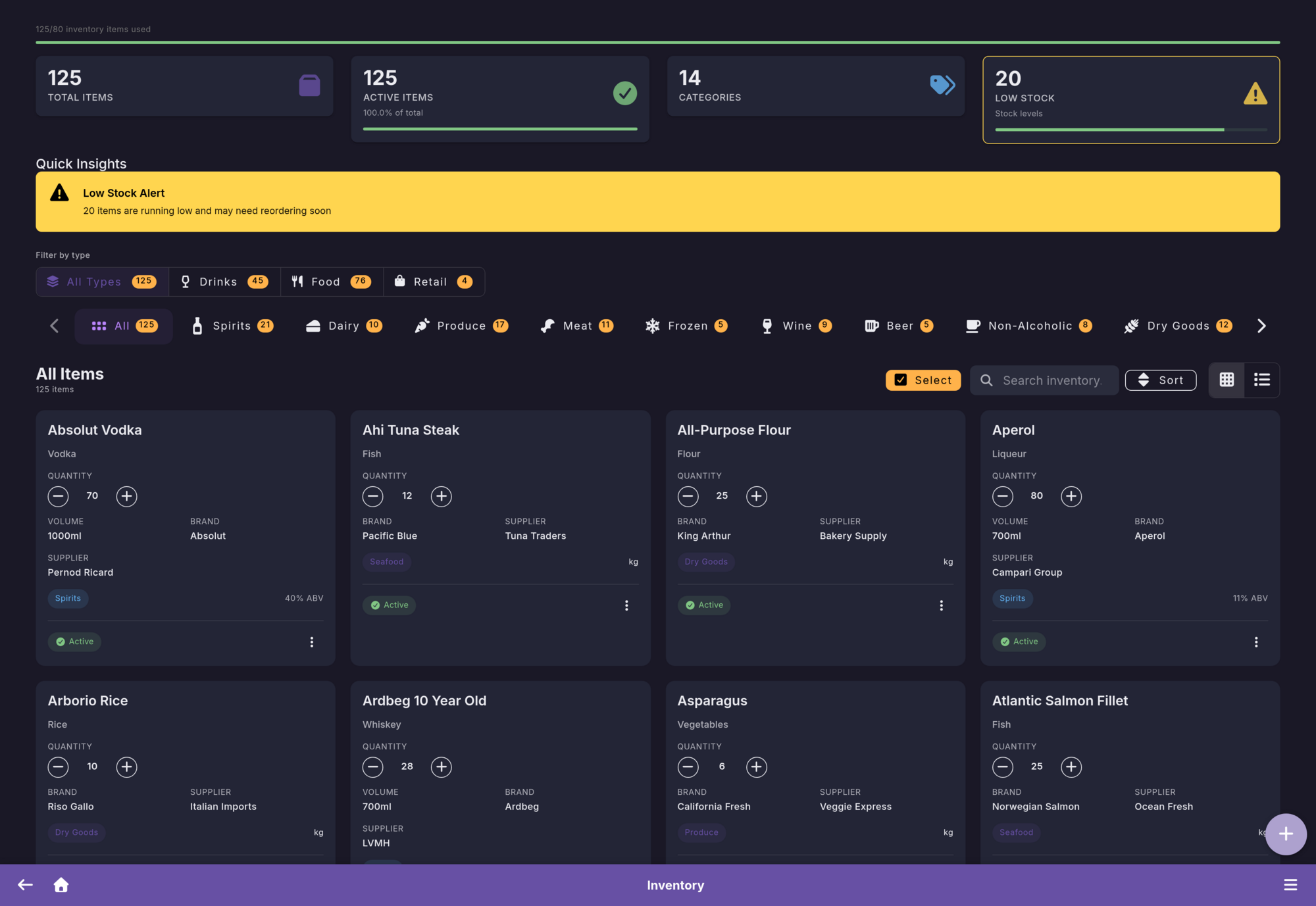
Firetable tracks batches, expiry dates, and costing so nightlife teams can mix FIFO and FEFO where it actually makes sense.
See inventory features